Source No Phosphorus Floor Cleaning Slice for Marble Floors, PVC Surfaces, and Station Facilities
Compare 30 listings for the No Phosphorus Floor Cleaning Slice alongside dish-shaped sintered abrasive options in grain sizes from 50 to 3000. Review specifications such as sizes 3"/80 to 5"/125, packing, and origin details, then filter by application, customization availability, and certifications before contacting suppliers.
Key considerations
Products List


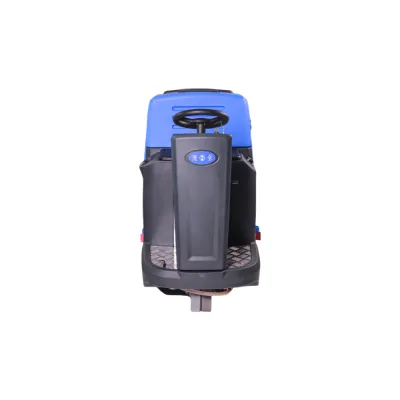
Hot Sell Scrubber Warehouse Clean Floor Scrubber Supplier Floor Cleanr
$1390.00 - $1890.00
MOQ: 1 Pieces

Manufacturers Floor Scrubber Effective Cleaning Machine Floor Scrubber
$1290.00 - $1790.00
MOQ: 1 Pieces


Easy Operated Floor Scrubber for Fast and Efficient Cleaning Performance
$988.00 - $1482.00
MOQ: 1 Pieces


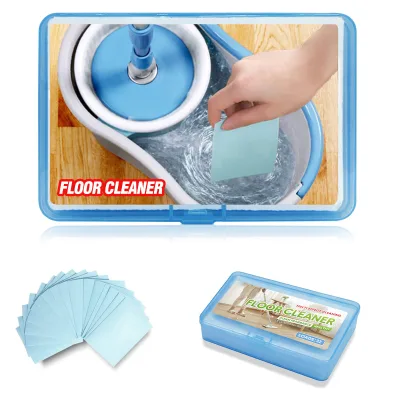
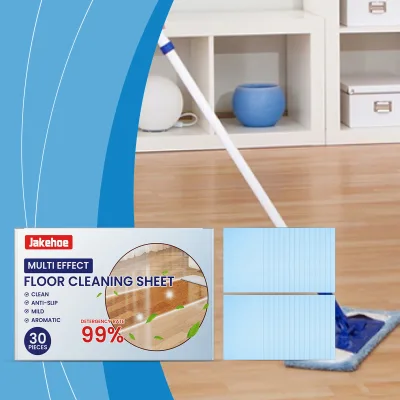
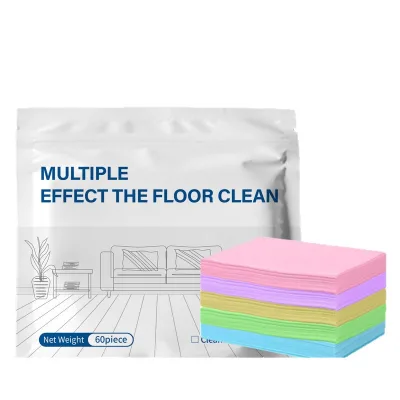
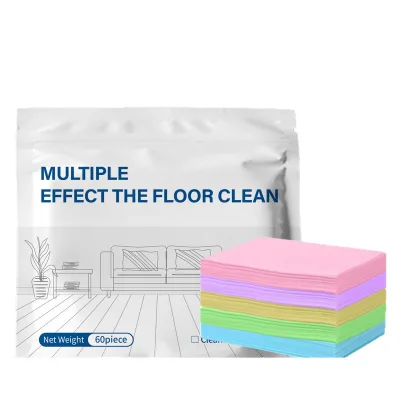
Custom Multi Function Floor Cleaning Sheet/ Slice Floor Detergent Cleaner
$0.03 - $0.05
MOQ: 100000 Pieces


Keyu Warranty Included 20° with No Load Floor Cleaning Sweep for Park
$46800.00 - $49800.00
MOQ: 1 sets

Maintenance-Free Battery Floor Sweeper and Scrubber Suitable for Various Floors Sweeping
$1400.00 - $1800.00
MOQ: 1 Pieces




Comprehensive Sourcing Guide
No Phosphorus Floor Cleaning Slice Sourcing Guide
When sourcing industrial floor cleaning components, specifically those described as no phosphorus floor cleaning slices, buyers must navigate a market that often blends abrasive tooling with automated scrubbing machinery. The term "cleaning slice" typically refers to the abrasive disc or pad used in conjunction with ride-on or hand-push scrubbers to remove soil, scuff marks, and old finish from hard surfaces. In the context of the provided product data, these slices are frequently associated with metal-bonded, sintered manufacturing processes, indicating a high-durability tool designed for aggressive stripping or deep cleaning rather than gentle polishing. Understanding the distinction between the abrasive slice itself and the scrubbing machine that utilizes it is critical for accurate procurement, as suppliers often bundle these items or list them under overlapping categories.
The procurement landscape for these items is characterized by a wide variance in specifications, ranging from small, high-grit polishing pads to large, metal-bonded sintered discs. The observed market signals indicate that these products are primarily manufactured in China, with significant production hubs in Jiangxi and Anhui provinces. Buyers should be aware that the "no phosphorus" descriptor often relates to environmental compliance or specific chemical resistance requirements, ensuring that the cleaning process does not introduce phosphorus-based residues that could interfere with subsequent floor treatments or violate environmental regulations. This guide provides a structured approach to evaluating these products based on observed technical attributes, compliance needs, and commercial realities.
Product Scope and Observed Listing Signals
The product scope for no phosphorus floor cleaning slices encompasses a variety of abrasive tools designed for different stages of floor maintenance. Based on observed listings, these slices are often categorized by their bonding agent, with metal bonding being a prominent feature for heavy-duty applications. The manufacturing process is frequently cited as sintered, which implies a high-temperature fusion of abrasive grains and bonding material, resulting in a disc that is extremely durable and resistant to wear. These characteristics make them suitable for stripping old coatings or cleaning heavily soiled industrial floors, rather than for final polishing stages where softer pads are preferred. Buyers should verify the specific grain size and bonding type to ensure the slice matches the aggressiveness required for their specific floor material, whether it be marble, PVC, or other hard surfaces.
Listing signals also reveal a strong association between these cleaning slices and the scrubbing machines that operate them. The data shows a clear link between the abrasive tools and ride-on or hand-push scrubber models, such as the X560, X660, X600, X510, M6, and M5 series. These machines vary in dimensions, power supply, and automation levels, with some being semi-automatic with PLC control and others being fully manual. The presence of these machine models in the product data suggests that buyers often source the cleaning slices as consumables for these specific scrubber types. It is essential to cross-reference the slice specifications with the machine’s brush structure, hardness requirements, and operational type to ensure compatibility and optimal cleaning performance.
Technical Specifications to Verify
When evaluating no phosphorus floor cleaning slices, the grain size is a primary technical specification that determines the cutting action and finish quality. The observed data lists a range of grain sizes, including 50, 100, 200, 400, 800, 1500, and 3000, indicating that suppliers offer products for both aggressive stripping and fine polishing. Buyers must select the appropriate grit based on the condition of the floor and the desired outcome. For instance, lower grits like 50 or 100 are suitable for removing heavy buildup, while higher grits like 1500 or 3000 are used for burnishing and achieving a high-gloss finish. Verifying the exact grain size distribution and consistency is crucial to avoid uneven cleaning or damage to the floor surface.
Another critical specification is the standard size and shape of the cleaning slice. The data indicates that these slices are often dish-shaped and come in standard diameters such as 3 inches (80mm), 4 inches (100mm), and 5 inches (125mm). These dimensions must match the mounting interface of the scrubbing machine’s brush holder. Additionally, the brush structure is typically disc-type, and the brush hardness is described as medium, which affects how the slice interacts with the floor. Buyers should also consider the brush pressure, RPM, and motor specifications of the scrubber, as these factors influence the wear rate and effectiveness of the cleaning slice. Ensuring that the slice’s physical dimensions and material properties align with the machine’s operational parameters is essential for efficient procurement and usage.
Compliance and Safety Documentation
Compliance with international standards is a key consideration when sourcing floor cleaning components, particularly those used in environments with strict environmental or safety regulations. The observed product data lists several certifications, including CE, CB, ETL, and RoHS. While these certifications are typically associated with the scrubbing machinery rather than the abrasive slices themselves, buyers should verify whether the cleaning slices and their packaging meet relevant environmental and safety standards. The "no phosphorus" claim may be linked to RoHS compliance, which restricts the use of hazardous substances in electrical and electronic equipment, although its direct application to abrasive tools may require clarification from the supplier.
Safety documentation should also cover the operational risks associated with using high-speed abrasive discs. Buyers must ensure that the cleaning slices are designed to withstand the maximum RPM and brush pressure of the scrubbing machine without disintegrating or causing injury. The data indicates that some scrubbers have a maximum forward speed of 4.5 km/h and brush RPMs around 155 rpm, which places specific demands on the structural integrity of the slice. Suppliers should provide technical data sheets that outline the safe operating limits, recommended maintenance procedures, and disposal guidelines for the used slices. Verifying that the product meets these safety and operational standards is crucial for protecting workers and maintaining a safe working environment.
Cost Drivers and Commercial Terms
The cost of no phosphorus floor cleaning slices is influenced by several factors, including the material composition, grain size, and manufacturing process. Metal-bonded, sintered slices are generally more expensive than resin-bonded alternatives due to the higher durability and longer service life they offer. The observed price range for related products spans from $0.03 to $49,800, reflecting the vast difference between individual abrasive pads and complete scrubbing machines. Buyers should focus on the unit cost of the slices and consider the total cost of ownership, which includes the frequency of replacement and the efficiency of the cleaning process. Higher-quality slices may have a higher upfront cost but can reduce labor and downtime by lasting longer and cleaning more effectively.
Commercial terms such as minimum order quantity (MOQ) and packaging are also significant cost drivers. The observed MOQ range is from 1 to 100,000 units, indicating that suppliers cater to both small-scale buyers and large industrial operations. Packaging is typically described as carton or carton case, which affects shipping costs and storage requirements. Buyers should negotiate terms that align with their consumption rates and storage capabilities. Additionally, the customization availability mentioned in the data suggests that buyers may be able to tailor the slices to specific needs, which could impact the price and lead time. Understanding these commercial variables is essential for budgeting and planning procurement activities effectively.
Supplier Qualification and Quality Control
Supplier qualification is a critical step in ensuring the reliability and consistency of no phosphorus floor cleaning slices. Buyers should verify the supplier’s manufacturing capabilities, particularly their expertise in sintering and metal-bonding processes. The data indicates that suppliers are located in Jiangxi and Anhui provinces in China, regions known for their industrial manufacturing bases. Buyers should request evidence of the supplier’s production capacity, quality control procedures, and ability to meet customization requests. Visiting the factory or conducting a third-party audit can provide valuable insights into the supplier’s operational standards and reliability.
Quality control measures should include regular testing of the cleaning slices for durability, grain retention, and dimensional accuracy. Buyers should establish clear acceptance criteria for the products, including tolerances for size and weight, and require suppliers to provide batch-specific test reports. The data mentions that the products are new and customized, which implies that suppliers should have robust processes for maintaining consistency across different orders. Implementing a supplier performance monitoring system can help track issues such as defects, delivery delays, and compliance failures, allowing buyers to address problems proactively and maintain a high standard of quality.
Long-Term Procurement Checks
Long-term procurement success depends on establishing a sustainable supply chain for no phosphorus floor cleaning slices. Buyers should regularly review their consumption patterns and adjust their ordering strategies to optimize inventory levels and reduce costs. The data shows a wide range of product models and standards, which suggests that buyers may need to standardize their requirements to simplify procurement and leverage volume discounts. Developing a long-term relationship with a qualified supplier can lead to better pricing, priority service, and access to new product innovations. Buyers should also stay informed about industry trends and technological advancements in floor cleaning tools to ensure they are using the most effective and efficient products.
Continuous improvement in procurement processes is essential for adapting to changing market conditions and operational needs. Buyers should periodically reassess their supplier base and explore alternative sources to mitigate risks associated with single-supplier dependency. The data indicates that automation and control systems are evolving, with some scrubbers featuring PLC control and semi-automatic operations. Buyers should consider how these technological advancements impact the requirements for cleaning slices and adjust their procurement strategies accordingly. By maintaining a proactive and strategic approach to procurement, buyers can ensure a steady supply of high-quality no phosphorus floor cleaning slices that support their operational goals and compliance requirements.
FAQs
What certifications are available for no phosphorus floor cleaning slices?
Available certifications include CE, CB, ETL, and RoHS for compliant products. These standards ensure safety and quality for industrial cleaning applications across various regions.
Which customization options exist for floor cleaning disc shapes?
Customization is available for specific product requirements including shape and dimensions. Buyers can request custom packing or specific model configurations to match their operational needs.
How is the manufacturing process for these cleaning slices defined?
The manufacturing process utilizes sintering technology to ensure durability and performance. This method creates robust cleaning surfaces suitable for heavy-duty station and scrubber applications.
Can I find suppliers with specific grain size specifications?
Yes, grain sizes ranging from 50 to 3000 are available for selection. These specifications allow for tailored cleaning performance depending on the floor material and required finish.
What is the origin location for these floor cleaning products?
Products originate from Jiangxi and Anhui provinces in China. This location supports the manufacturing of various models including ZL, X560, and X660 series for global distribution.
Which automation types are offered for scrubber applications?
Automation ranges from manual operation to semi-automatic systems with PLC control. Options include ride-on scrubbers and hand-push models powered by battery systems for efficiency.